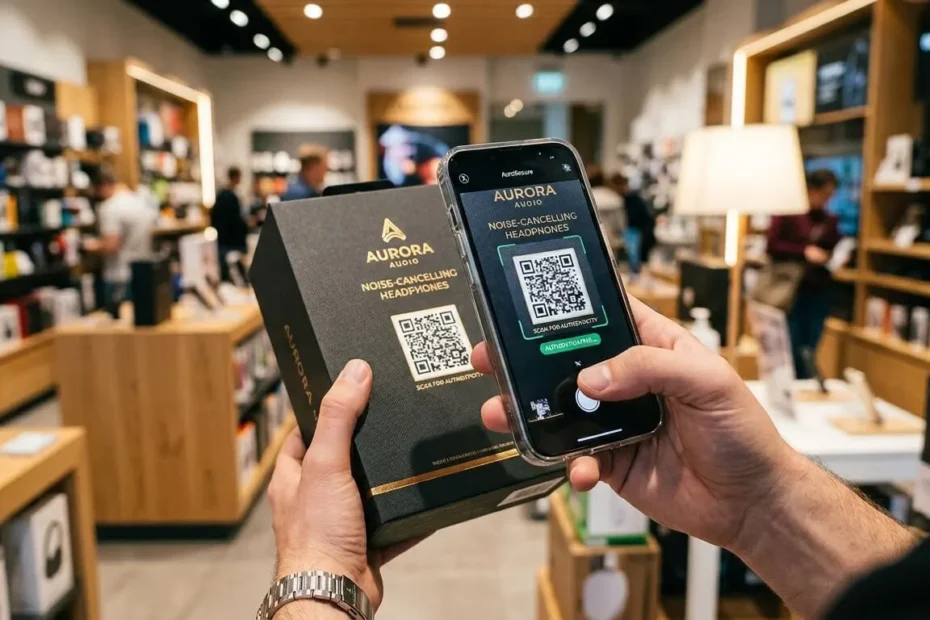
Trust has become one of the most valuable assets a business can earn. In 2026, customers are more informed, more connected, and more cautious than ever before. A single counterfeit product can damage a brand’s reputation, reduce customer confidence, and result in significant financial losses. This is exactly why Product Authentication Solutions have moved from being an optional feature to a business necessity.
In my experience working with manufacturers, retailers, distributors, and technology providers, one reality has become increasingly clear: customers want proof. They no longer rely solely on brand names, packaging quality, or marketing messages. They want immediate verification that the product they are purchasing is genuine.
The rise of e-commerce, global supply chains, and online marketplaces has created tremendous opportunities for businesses. However, it has also opened the door for counterfeit products to enter the market at an unprecedented scale. As a result, companies that invest in Product Authentication Solutions are building stronger customer relationships while protecting their brands from fraud and counterfeiting.
The Growing Challenge of Counterfeit Products
Counterfeit goods are no longer limited to luxury brands. Today, fake products affect almost every industry, including electronics, cosmetics, pharmaceuticals, fashion, automotive parts, and consumer goods.
I’ve seen many businesses underestimate the impact of counterfeit products until customers begin filing complaints. Often, customers blame the original brand even when the counterfeit item was purchased from an unauthorized seller. This creates a serious trust problem that can take years to repair.
Modern consumers expect transparency. If they discover that counterfeit products are circulating under a company’s name, they may lose confidence in the brand altogether.
This is where Product authenticity verification becomes critical. By allowing customers to instantly confirm product legitimacy, businesses can eliminate uncertainty and strengthen buyer confidence.
Why Customer Trust Matters More Than Ever
Customer trust and loyalty are directly linked. When consumers trust a brand, they are more likely to:
- Make repeat purchases
- Recommend products to friends and family
- Leave positive reviews
- Engage with the brand online
- Choose the brand over competitors
From working with clients across multiple industries, I have noticed that businesses with strong verification systems consistently achieve better customer retention rates than those without them.Trust is no longer built through advertising alone. It is earned through transparency, accountability, and proof of authenticity.
A reliable Product authentication system provides that proof instantly.
How Product Authentication Solutions Work
At their core, Product Authentication Solutions allow businesses to assign a unique identity to every product.These solutions commonly use:
- QR codes
- Secure serial numbers
- NFC tags
- RFID technology
- Blockchain verification
- Encrypted digital records
Customers can scan or enter a code to verify whether a product is genuine.One of the most effective approaches I have implemented for clients is QR code product verification. The reason is simple: almost every customer already has a smartphone.A quick scan can instantly reveal:
- Product authenticity
- Manufacturing details
- Distribution information
- Warranty status
- Product registration options
This seamless experience significantly improves customer confidence while creating a stronger connection between the brand and consumer.
Product Verification vs Traditional Trust Methods
The way brands build trust has evolved dramatically.
| Traditional Approach | Modern Authentication Approach |
|---|---|
| Trust based on packaging | Trust based on verification |
| Manual warranty cards | Digital verification records |
| Limited customer interaction | Real-time customer engagement |
| Difficult counterfeit detection | Instant authenticity confirmation |
| Reactive fraud management | Proactive counterfeit prevention |
Based on real implementation experience, companies using digital authentication methods gain a significant competitive advantage because they provide customers with verifiable proof rather than assumptions.
The Role of Digital Product Authentication in 2026
Digital product authentication is becoming a standard expectation among consumers.
Customers today expect digital experiences throughout the buying journey. They want the same level of convenience when verifying products.I’ve seen many businesses transition from paper-based verification processes to digital systems. The results are often remarkable.
Benefits typically include:
- Faster verification
- Better customer engagement
- Reduced fraud risks
- Improved warranty management
- Enhanced customer satisfaction
Most importantly, digital authentication helps brands establish credibility in a market where skepticism is increasing.
Counterfeit Product Prevention Through Smart Technology
Counterfeit product prevention is one of the strongest reasons businesses adopt authentication systems.According to industry reports, counterfeit trade continues to cost businesses billions annually while exposing consumers to safety risks.
One common mistake companies make is focusing only on sales growth while ignoring product security. By the time counterfeit issues become visible, significant damage may already have occurred.Modern Anti-counterfeit technology allows businesses to:
- Track products throughout the supply chain.
- Detect suspicious distribution patterns.
- Identify unauthorized sellers.
- Monitor verification activity.
- Prevent duplication of product identities.
What works best in practice is combining multiple layers of security rather than relying on a single verification method.
Strengthening Brand Protection in a Competitive Market
Brand protection solutions have become essential for maintaining market credibility.A brand’s reputation can take years to build and only days to damage.In my experience, businesses that actively protect their products tend to experience:
- Higher customer confidence
- Stronger market positioning
- Improved customer retention
- Reduced legal risks
- Better distributor accountability
Authentication systems help ensure that customers receive genuine products while allowing brands to maintain control over their reputation.
This proactive approach creates long-term value that extends far beyond counterfeit prevention.
Step-by-Step Guide to Implementing Product Authentication
If your business is considering Product Authentication Solutions, the following implementation process has proven effective for many organizations.
Step 1: Assess Your Risk Exposure
Identify product categories most vulnerable to counterfeiting.
Step 2: Choose Authentication Technology
Select technologies such as QR codes, NFC tags, RFID labels, or secure serial numbers.
Step 3: Integrate Product Verification Software
Implement Product verification software that connects with inventory, manufacturing, and customer systems.
Step 4: Educate Customers
Provide clear instructions on how customers can verify products.
Step 5: Monitor Verification Data
Track verification activity to identify fraud risks and customer engagement trends.
Step 6: Continuously Improve Security
Update authentication methods regularly to stay ahead of counterfeiters.
Best Practices for Successful Product Authentication
Based on real-world deployments, the following practices consistently produce strong results:
- Make verification simple and fast.
- Use mobile-friendly authentication experiences.
- Provide instant verification results.
- Integrate authentication with warranty registration.
- Monitor suspicious verification activity.
- Train distributors and retailers.
- Educate customers about product verification benefits.
- Regularly audit verification processes.
Businesses that follow these practices typically achieve higher customer adoption rates and stronger trust outcomes.
Common Mistakes Businesses Should Avoid
While implementing authentication systems, several recurring mistakes can reduce effectiveness.
Ignoring Customer Experience
Complex verification processes discourage participation.
Using Static Verification Codes
Reusable codes are easier for counterfeiters to duplicate.
Failing to Educate Customers
Even the best system will underperform if customers do not know how to use it.
Delayed System Updates
Security threats evolve rapidly. Authentication methods must evolve as well.
Treating Authentication as a One-Time Project
Successful authentication requires ongoing monitoring and improvement.
Avoiding these mistakes can significantly improve the effectiveness of any authentication strategy.
Why Product Authentication Will Define Trusted Brands in the Future
As we move deeper into the digital economy, verification is becoming a standard expectation rather than a premium feature.
Consumers want transparency.
Regulators want accountability.
Businesses want protection.
Product Authentication Solutions satisfy all three requirements.
From working with organizations across different industries, I have observed that the brands investing in authentication today are positioning themselves for long-term success. They are not simply preventing counterfeit products; they are creating trust ecosystems that strengthen relationships with customers.
In 2026 and beyond, authenticity will become a key differentiator. Brands that can prove their products are genuine will earn greater confidence, stronger loyalty, and sustainable growth.
FAQs
Product Authentication Solutions are technologies that help verify whether a product is genuine using QR codes, serial numbers, NFC tags, or other secure methods.
It protects consumers from counterfeit products and helps businesses maintain customer trust and brand reputation.
Customers scan a unique QR code on the product to instantly verify authenticity through a secure digital platform.
Yes. Many modern solutions are scalable and affordable for businesses of all sizes.
Electronics, pharmaceuticals, cosmetics, fashion, automotive, FMCG, and consumer goods industries benefit significantly.
It provides customers with proof that the product they purchased is genuine, reducing uncertainty and increasing confidence.
It manages authentication records, tracks product movement, monitors verification activity, and helps identify fraud risks.
Conclusion
In 2026, customer trust is built on transparency, security, and authenticity. Businesses that invest in Product Authentication Solutions gain more than protection against counterfeit products—they build lasting relationships with customers, strengthen brand credibility, and create a competitive advantage in an increasingly digital marketplace. If you’re looking to implement advanced product verification, digital authentication, and brand protection solutions, AuthX can help you secure your products, enhance customer confidence, and future-proof your business with smart authentication technology. Contact AuthX today to discover how trusted verification can drive long-term growth.