Buying a food product should come with confidence. However, counterfeit products, copied packaging, and unauthorized products can make it difficult for customers to know whether a product is genuine.
This is where Food Product Verification can help.
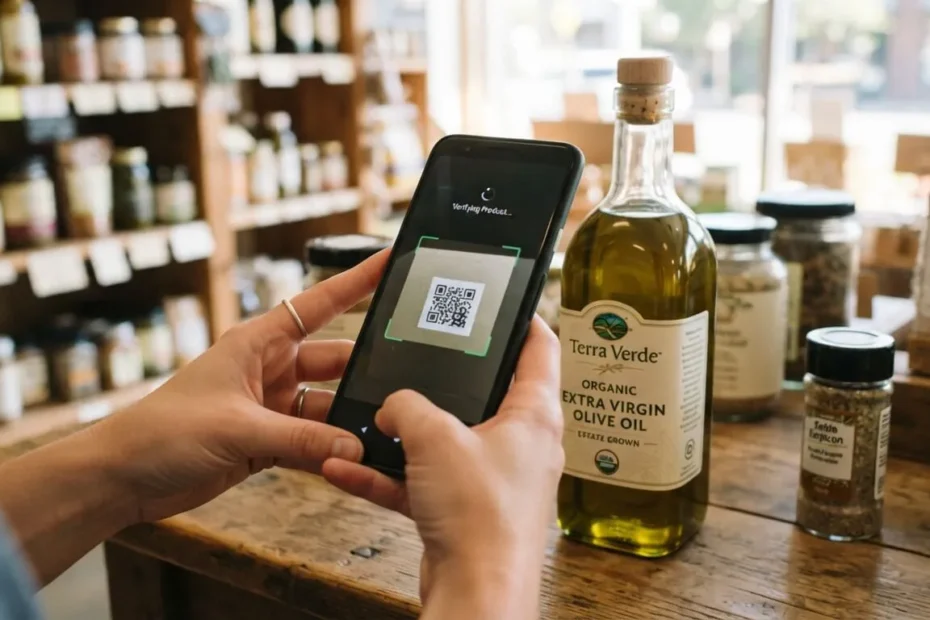
With QR codes, food brands can give customers a simple way to check product information using a smartphone. Instead of relying only on packaging or printed labels, customers can connect the physical product to a digital verification system.
What Is Food Product Verification?
Food Product Verification is a digital process that helps customers check whether a food product is genuine and associated with an authorized brand or manufacturer.
Traditional packaging can show important information such as a brand name, batch number, manufacturing date, and expiry date. However, counterfeiters can copy these details.
Digital verification adds another layer of protection.
A unique QR code can connect the physical package with a digital product record. When customers scan the code, they can receive information that helps them determine whether the product is recognized by the brand.
How Does QR Code Food Verification Work?
QR code food verification is relatively simple for customers.
Behind the scenes, however, a secure verification system handles the product data and authentication process.
The typical process looks like this:
Product Registration → Secure QR Code → Product Packaging → Customer Scan → Digital Verification → Result
1. Register the Product
The brand first creates a digital record for the product.
Depending on the verification system, this record may contain product details, batch information, manufacturing information, or a unique product identifier.
2. Generate a Secure QR Code
A QR code is connected to the relevant product record.
The code can then be printed on the packaging, label, sticker, or security seal.
3. Customer Scans the Code
The customer uses a smartphone camera to scan the QR code.
There is usually no need for a special device or application.
4. The System Checks the Product
The verification platform checks the scanned identifier against the brand’s digital records.
This is the important part.
A QR code alone does not authenticate a product. The system behind it needs to determine whether the code and its associated product information are valid.
5. The Customer Gets a Result
The customer receives a clear verification response.
For example, the system may show that the product is recognized or display a warning when the code is invalid or suspicious.
Therefore, QR code product authentication turns a simple scan into a useful product-checking experience.
Why Do Food Brands Need Product Authentication?
Food brands operate in a market where trust matters.
Customers want to know that the product they purchase actually comes from the brand displayed on the package.
Counterfeit food products can create several challenges:
- Damage to brand reputation
- Loss of customer confidence
- Revenue loss
- Unauthorized product distribution
- Difficulty identifying suspicious products
- Increased customer complaints
For this reason, food product authentication should be part of a wider brand protection strategy.
How Do QR Codes Help Prevent Counterfeit Food Products?
QR codes can support counterfeit food prevention, but simply printing a QR code on packaging is not enough.A copied QR code can potentially be placed on counterfeit packaging. Therefore, the real protection comes from the authentication system connected to the code.
A stronger system can associate a QR code with a unique product or controlled product record.For example, imagine a snack manufacturer launches 50,000 product units.Each unit receives its own digital identity. When a customer scans the QR code, the system checks that identity and returns the relevant verification information.
If the same identifier starts showing unusual activity, the brand can investigate.This makes the QR code part of a broader product authentication system, rather than just another packaging element.
What Can Customers Check With a QR Code?
The information available depends on how the brand designs its verification system.
A food verification page may include:
| Information | Customer Benefit |
|---|---|
| Product name | Confirms the product being checked |
| Brand information | Confirms the associated brand |
| Batch or lot details | Provides product identification |
| Manufacturing information | Adds product context |
| Verification status | Shows whether the product record is recognized |
| Product details | Gives customers trusted information |
| Support details | Helps customers contact the brand |
The goal is not to overwhelm customers with technical information.Instead, the verification page should answer one simple question:“Is this product genuine?”
Food Product Verification vs. Food Traceability
These two concepts are related, but they serve different purposes.Food Product Verification focuses on checking whether a product is genuine or associated with a legitimate product record.Food traceability focuses on following products and relevant information through the supply chain.For example:
Manufacturer → Distributor → Retailer → Customer
Traceability can help businesses understand where a product has moved, while authentication can help customers verify the product they have purchased.
When combined, these technologies can provide stronger visibility across the product journey.The U.S. FDA’s Food Traceability Rule also highlights the importance of maintaining key information for certain foods throughout the supply chain. FDA Food Traceability Rule
Which Food Products Can Use QR Code Verification?
QR-based verification can work across many food and beverage categories.
Packaged Foods
Manufacturers of snacks, canned foods, frozen foods, and other packaged products can use QR codes to connect packaging with digital product information.
Spices and Ingredients
Spices and cooking ingredients can benefit from authentication because customers may want additional confidence about product origin and brand authenticity.
Beverages
Water, juices, energy drinks, and other packaged beverages can use QR verification as part of a wider brand protection strategy.
Premium Food Products
Premium products often depend heavily on customer trust. Digital authentication can give customers an additional way to check product legitimacy.
Food Supplements
Brands selling supplements can use product authentication to provide customers with a digital verification experience alongside their packaging.
A Practical Example of Food Authentication
Consider a spice brand selling products through distributors and retailers.The company discovers that counterfeit products are appearing in some markets using packaging similar to its own.
The brand introduces QR-based Food Product Verification.Each legitimate product receives a secure QR code connected to its digital product record.
A customer buying the product can scan the code before using it.The verification page confirms the product information and gives the customer a clear result.At the same time, the brand can monitor verification activity and investigate unusual patterns.
The QR code has now become more than a marketing tool.It has become part of the brand’s food brand protection strategy.
How to Implement a Food Product Verification System
Food brands do not need to make the process complicated.A practical implementation can follow these steps:
Step 1: Identify Products at Risk
Start with products that are frequently copied, sold through complex distribution channels, or especially important to your brand.
Step 2: Define Product Information
Decide which product details customers should see after scanning.Keep the information useful and easy to understand.
Step 3: Create Digital Product Records
Assign products, batches, or individual units appropriate digital identities.
Step 4: Add QR Codes
Connect the digital records with QR codes and place them clearly on product packaging.
Step 5: Build the Verification Experience
The customer should reach a simple page that provides the relevant product information and verification status.
Step 6: Monitor Verification Activity
Track scans and identify unusual activity where appropriate.This can provide useful signals for potential counterfeit investigations.
Step 7: Educate Customers
Tell customers exactly what to do.A simple message such as “Scan to Verify” can make the process easier to understand.
Best Practices for QR Code Product Authentication
A successful verification system depends on more than the QR code itself.Keep these practices in mind:
Use reliable product identification.
Each product or batch should have a clear identity within the verification system.
Make verification simple.
Customers should understand the result without technical knowledge.
Protect product data.
The underlying verification platform should have appropriate security controls.
Monitor suspicious scans.
Unusual verification activity may provide useful signals for investigation.
Keep packaging practical.
The QR code should remain easy to find and scan.
Connect authentication with traceability where useful.
Combining product identity with supply-chain information can provide greater visibility.
Educate customers.
A verification system becomes more valuable when customers know how and why to use it.
Is a QR Code Enough to Verify a Food Product?
A QR code is only the connection between the physical product and the digital verification system.
The actual authentication depends on the technology behind that QR code.
An effective product verification technology solution should consider:
- Product identification
- Secure digital records
- Verification logic
- Scan monitoring
- Product information
- Security controls
- Customer-facing verification results
Therefore, brands should evaluate the complete authentication system rather than simply adding QR codes to packaging.
How Food Product Verification Builds Customer Trust
Trust is one of the most valuable assets for a food brand.When customers have a convenient way to check products, they can feel more confident about what they are buying.
At the same time, brands can demonstrate transparency without making the purchasing process complicated.This creates a simple cycle:
Scan → Verify → Trust
Over time, that experience can become part of the brand’s relationship with its customers.
Final Thoughts
Food Product Verification gives food brands a practical way to connect physical products with trusted digital information.QR codes make the process simple for customers. However, the real value comes from the secure verification system behind them.
If your food brand needs a smarter way to authenticate products and give customers confidence at the point of purchase, AuthX can help.
Explore AuthX Food Product Verification and protect your products with a secure digital authentication solution.
FAQs
Food Product Verification is a process that allows customers or businesses to check whether a food product is associated with a legitimate product record created by the brand or manufacturer.
A QR code connects the physical product to a digital verification system. When a customer scans it, the system checks the associated product information and provides a verification result.
QR codes alone cannot completely stop counterfeiting. However, when connected to a secure authentication system, they can help brands verify products and identify suspicious activity.
Yes. Customers can generally scan a QR code using their smartphone camera and access the brand’s digital verification page.
Authentication checks whether a product is legitimate, while traceability focuses on tracking relevant product information through the supply chain. Both can complement each other.