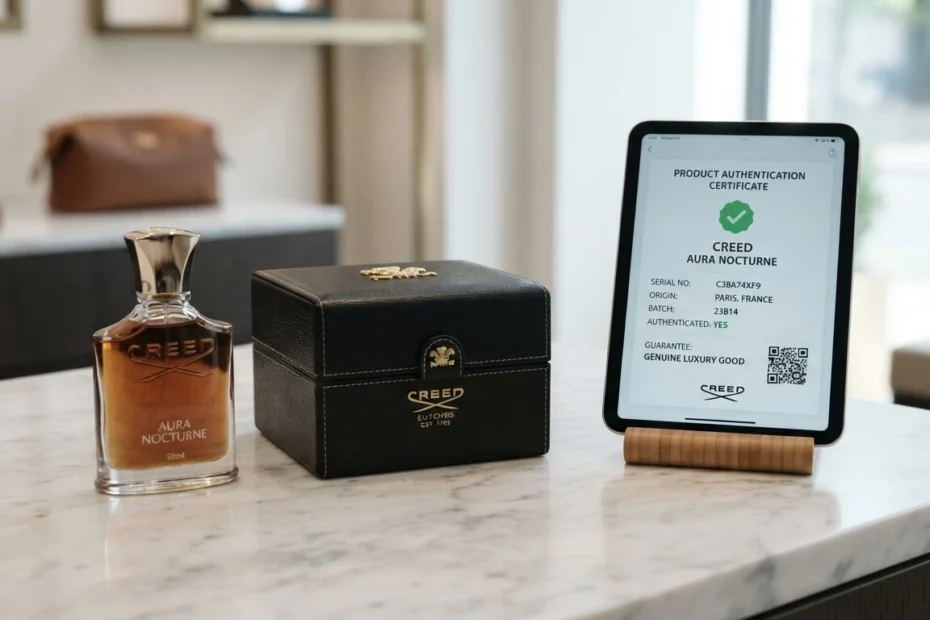
Counterfeit products have become one of the biggest threats to businesses across industries. Whether it is pharmaceuticals, cosmetics, electronics, food products, or luxury goods, fake products not only reduce revenue but also damage customer trust and brand reputation. As counterfeiters continue to adopt more advanced techniques, businesses can no longer rely solely on traditional security labels or packaging features.
This is where a Product Verification Solution becomes essential. Rather than depending on a single authentication method, a complete verification solution combines secure QR codes, encrypted product identities, cloud-based databases, verification software, and mobile applications to confirm product authenticity in real time.
In my experience working with brand protection projects, companies often underestimate how much counterfeit activity goes unnoticed until customers begin reporting fake products. By implementing a comprehensive verification solution, businesses can proactively detect suspicious activity, protect their supply chain, and build stronger relationships with customers. More importantly, they gain valuable business intelligence that supports long-term growth and smarter decision-making.
Why Businesses Need a Product Verification Solution
Counterfeiting has evolved into a highly organized global problem. Today, counterfeit products can closely resemble genuine ones, making visual inspection increasingly unreliable. Consequently, businesses require authentication methods that verify products through secure digital systems rather than appearance alone.
I’ve seen many businesses invest heavily in attractive packaging, holograms, and printed security labels, believing these measures would discourage counterfeiters. However, experienced counterfeiters often duplicate these features surprisingly well. As a result, companies continue to face warranty claims, customer complaints, and lost sales despite investing in traditional security measures.
A Product Verification Solution addresses this challenge by assigning every product a unique digital identity that can be authenticated instantly. Instead of asking customers to judge whether a product looks genuine, the system confirms authenticity directly from a secure database.
Furthermore, businesses gain complete visibility into how their products move through the supply chain, allowing them to identify unusual activities before they become larger problems.
What Is a Product Verification Solution?
A Product Verification Solution is a complete ecosystem designed to authenticate products throughout their lifecycle. Unlike a standalone Product Verification App, which serves as the customer interface, the solution integrates multiple technologies that work together to prevent counterfeiting and improve product traceability.
A typical solution includes:
- Secure QR codes or unique serial numbers
- Cloud-based authentication database
- Product verification software
- Mobile app for product authentication
- Administrative dashboard
- Analytics and reporting tools
- Counterfeit monitoring system
- Supply chain integration
Based on real implementation experience, the most successful verification systems are those where every component communicates seamlessly. The QR code identifies the product, the authentication platform validates it, the software analyzes scan activity, and the mobile application delivers instant verification to customers.
Together, these components create a reliable and scalable product authentication solution.
The Role of QR Codes in Product Authentication
One of the most widely adopted technologies in modern authentication systems is QR Code Product Verification.
QR codes have become extremely popular because customers already know how to use them. Instead of requiring specialized scanners or additional hardware, consumers only need their smartphones.
However, one common misconception is that any QR code can provide secure authentication.
In reality, static QR codes offer very limited protection because they simply redirect users to a webpage. If counterfeiters copy that code, every fake product appears authentic.
What works best in practice is using encrypted dynamic QR codes connected directly to a secure authentication database. Every scan is validated against real-time product information, making it much easier to detect counterfeit activity.
As a result, businesses improve both Fake Product Detection and customer confidence simultaneously.
Common Mistakes Businesses Make When Implementing Product Verification Solutions
Implementing a Product Verification Solution is not just about adding QR codes to product packaging. It requires careful planning, the right technology, and continuous monitoring. Otherwise, businesses may not achieve the level of protection they expect.
One common mistake companies make is assuming that a QR code alone can stop counterfeit products. In reality, the QR code is only an entry point. The real security comes from the encrypted authentication system, cloud database, and verification software working together behind the scenes.
Another mistake is using static QR codes that direct customers to a webpage without validating the product. Since these codes can easily be copied, counterfeiters can place them on fake products and mislead consumers.
I’ve also seen businesses launch authentication solutions without educating distributors or customers. As a result, many buyers never use the verification feature, which limits the effectiveness of the entire system.
Additionally, some companies fail to monitor authentication reports after implementation. A verification solution continuously generates valuable data, and ignoring this information means missing opportunities to identify counterfeit hotspots, unauthorized sellers, or supply chain issues before they become major problems.
The most successful businesses treat product verification as an ongoing strategy rather than a one-time technology investment.
Industries That Benefit Most from Product Verification Solutions
Counterfeiting affects nearly every industry, but some sectors face greater risks because product authenticity directly impacts customer safety and brand reputation.
For example, pharmaceutical companies use Product Authentication Solutions to ensure patients receive genuine medicines. Even a single counterfeit drug can have serious health consequences, making digital verification essential.
Similarly, cosmetic brands use QR Code Product Verification to help customers confirm that skincare and beauty products are authentic before use.
Food and beverage manufacturers also benefit from authentication systems by protecting consumers from fake or expired products while maintaining supply chain transparency.
Electronics companies rely on Product Verification Software to reduce warranty fraud and ensure only genuine products receive after-sales support.
Luxury brands, fashion retailers, automotive parts manufacturers, and FMCG companies have also adopted verification technologies to strengthen brand protection and reduce counterfeit distribution.
Based on real implementation experience, businesses operating in highly competitive markets often see the greatest return on investment because authentication helps differentiate their products while building stronger customer confidence.
Best Practices for Implementing a Product Verification Solution
A successful implementation goes beyond technology. It requires a well-planned strategy that supports customers, distributors, and internal teams.
Here are some proven best practices that consistently deliver results:
- Use encrypted, dynamic QR codes instead of static codes.
- Assign a unique digital identity to every product.
- Integrate the authentication system with manufacturing and ERP platforms.
- Train distributors and retailers to promote product verification.
- Encourage customers to verify products before use.
- Monitor authentication reports regularly to identify suspicious activity.
- Update security protocols as counterfeit methods evolve.
- Combine authentication with supply chain tracking for better visibility.
- Analyze verification data to improve business decisions and customer engagement.
In my experience, businesses that follow these practices not only reduce counterfeit incidents but also gain valuable insights that support long-term growth and operational efficiency.
The Future of Product Verification Solutions
Product authentication is evolving rapidly as new technologies become more accessible. Today’s businesses are looking beyond simple verification and adopting intelligent systems that provide deeper visibility into product movement and customer interactions.
Modern Product Verification Solutions increasingly integrate artificial intelligence, cloud computing, blockchain, and advanced analytics to create more secure and transparent authentication processes.
Artificial intelligence can identify unusual verification patterns and detect suspicious activities automatically. Meanwhile, cloud-based platforms allow businesses to monitor authentication requests from multiple regions in real time.
Blockchain technology is also gaining attention for creating tamper-resistant product records, particularly in industries where traceability and compliance are critical.
Another growing trend is integrating verification systems with customer engagement programs. Instead of simply confirming authenticity, businesses can use the verification process to offer product information, warranty registration, loyalty rewards, promotional campaigns, and customer support.
From working with clients implementing authentication systems, I’ve found that companies achieve the greatest value when they view verification as both a security solution and a customer experience platform. This approach not only protects products but also strengthens long-term relationships with consumers.
FAQs
A Product Verification Solution is a complete authentication system that combines secure QR codes, cloud-based databases, verification software, and mobile applications to verify product authenticity and prevent counterfeiting.
Each product receives a unique encrypted identity during manufacturing. When customers scan the QR code using a mobile authentication app, the system validates the product against a secure database and instantly confirms whether it is genuine.
QR codes alone cannot prevent counterfeiting. However, when combined with encrypted authentication systems and secure verification software, they become an effective tool for detecting fake products and verifying authenticity.
Yes. Customers can verify original products with QR codes by scanning the unique code using a mobile authentication app. The system checks the product information against a secure database and instantly confirms whether the product is genuine.
A modern Product Verification Solution typically combines encrypted QR codes, unique serial numbers, cloud-based authentication servers, product verification software, mobile applications, analytics dashboards, and counterfeit detection tools to provide secure product authentication.
Conclusion
Counterfeit products continue to challenge businesses across every industry, making digital authentication more important than ever. A Product Verification Solution offers far more than simple product verification—it creates a secure ecosystem that combines encrypted QR codes, authentication software, cloud-based databases, analytics, and mobile verification to protect products throughout the supply chain. By adopting a comprehensive solution, businesses can reduce counterfeit risks, strengthen customer trust, improve product traceability, and gain valuable insights that support smarter business decisions.
If you’re looking to implement a reliable Product Verification Solution, Eyecon Consultant can help you develop a strategy tailored to your business needs. For organizations seeking advanced anti-counterfeiting technology, AuthX provides a powerful authentication platform with secure QR code verification, real-time monitoring, intelligent analytics, and end-to-end brand protection. Partner with Eyecon Consultant and leverage AuthX to safeguard your products, protect your brand reputation, and deliver the confidence your customers expect.