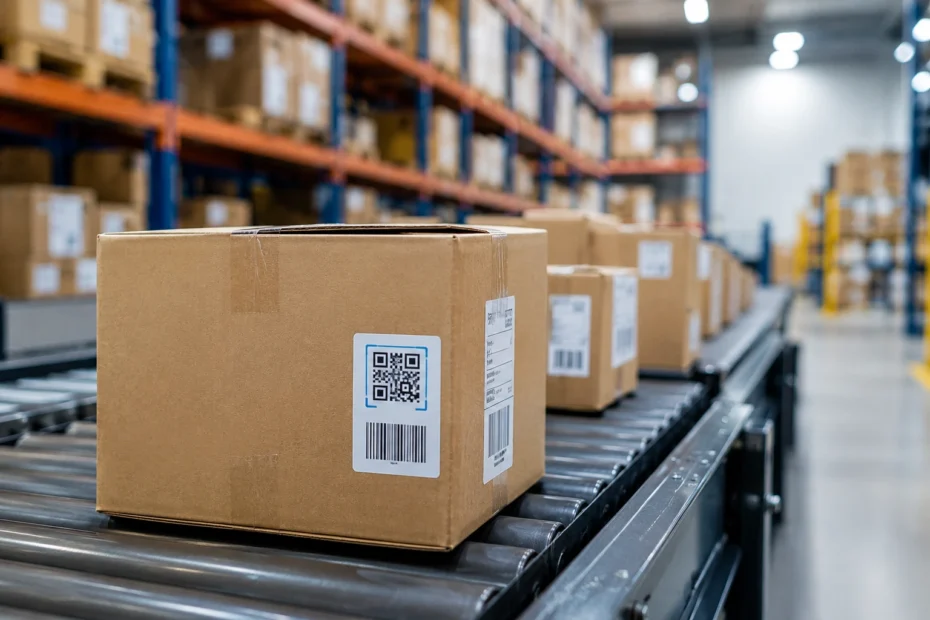
Counterfeit products are not always easy to identify. A fake product may arrive in professional packaging, carry a familiar brand logo, and pass through several distributors before reaching a customer. By that point, identifying where the problem began can be difficult.
Understanding counterfeit supply chain risks helps businesses identify weak points before fake products damage their revenue, reputation, or customer relationships. These risks can arise during manufacturing, packaging, transportation, warehousing, distribution, and online sales
What Are Counterfeit Supply Chain Risks?
Counterfeit supply chain risks are the threats associated with fake, imitation, or unauthorized products entering the legitimate movement of goods from manufacturers to customers.
Common risks include:- Product substitution: Fake goods replace genuine products during procurement, storage, or distribution.
- Unauthorized manufacturing: A third party produces goods using a brand’s name, design, or intellectual property without permission.
- Packaging fraud: Counterfeiters copy genuine labels, seals, barcodes, and packaging.
- Supplier fraud: A supplier provides products from an unverified or unauthorized source.
- Distribution leakage: Genuine packaging, unused labels, or diverted products create opportunities for counterfeit activity.
- Online counterfeit sales: Fake products reach customers through e-commerce websites, social media, or unauthorized resellers.
How Do Counterfeit Products Enter the Supply Chain?
Counterfeit products can enter through several routes. In many cases, the weakness is not a single major security failure but a series of small gaps that allow suspicious goods to move unnoticed.
1. Unverified Suppliers and Third-Party Manufacturers
The supply chain often begins with raw materials, components, and manufacturing partners. If a business does not properly verify its suppliers, it may receive counterfeit components or goods from unauthorized manufacturers.
To reduce this risk, businesses should:
- Verify supplier identities and business credentials.
- Purchase from approved suppliers and authorized distributors.
- Request appropriate product-origin and quality documentation.
- Audit suppliers according to the risk level of their products.
- Investigate unexpected changes in price, packaging, or delivery arrangements.
2. Counterfeit Products Mixed With Genuine Stock
One of the more difficult counterfeit supply chain risks occurs when fake and genuine products enter the same inventory.
Businesses can reduce this risk by maintaining clear records of:
- Supplier and purchase order details.
- Product serial numbers and batch or lot numbers.
- Goods received and goods dispatched.
- Returns, replacements, and damaged inventory.
- The destination of each shipment.
3. Unauthorized Packaging, Labels, and Product Codes
Packaging often gives customers their first impression of authenticity. Unfortunately, counterfeiters can copy logos, printed labels, holograms, barcodes, and other visible design elements.
Businesses should therefore distinguish between identifying a product and authenticating an individual item.
Practical safeguards include:
- Controlling access to packaging artwork and label files.
- Tracking unused labels and packaging materials.
- Assigning unique product identifiers where appropriate.
- Using tamper-evident packaging when suitable.
- Providing customers with a reliable way to verify authenticity.
4. Transportation, Warehousing, and Distribution Gaps
Products may pass through freight forwarders, logistics providers, customs processes, warehouses, distributors, and retailers before reaching their destination.
To strengthen controls, businesses should establish procedures for:
- Recording goods at every handover.
- Checking shipment quantities against purchase orders.
- Inspecting damaged, opened, or resealed packages.
- Recording discrepancies and investigating their causes.
- Restricting access to high-risk inventory.
- Maintaining records of stock transfers between locations.
5. Unauthorized Resellers and Parallel Distribution
Not every product sold outside an official retail channel is counterfeit. Genuine goods may also enter markets through unauthorized or parallel distribution.
Companies should monitor authorized sales channels, investigate suspicious offers, and maintain clear distribution agreements.
Where appropriate, product-level authentication can help customers and businesses check an item’s identity rather than relying only on the seller’s claims.
6. E-Commerce and Small-Parcel Deliveries
Online marketplaces and social media have made products easier to discover and purchase. However, they can also give counterfeit sellers access to customers who cannot physically inspect an item before buying it.
The OECD and EUIPO’s Mapping Global Trade in Fakes 2025 report discusses the role of e-commerce, postal services, and smaller shipments in counterfeit trade.
Businesses should monitor online listings, investigate customer complaints, document suspicious sellers, and provide clear instructions for verifying genuine products.
Where Are the Biggest Weak Points in a Supply Chain?
The following table summarizes common entry points, warning signs, and practical controls.
| Supply chain stage | Warning signs | Recommended controls |
|---|---|---|
| Procurement | Unknown suppliers or inconsistent documents | Supplier verification and approved purchasing |
| Manufacturing | Unapproved production or unexplained excess output | Production audits and controlled access to product assets |
| Packaging | Copied labels or unexplained packaging shortages | Label control and unique product identification |
| Transportation | Broken seals or quantity mismatches | Shipment inspections and handover records |
| Warehousing | Unexplained stock differences or mixed batches | Inventory reconciliation and traceability records |
| Distribution | Unverified resellers or unusual sales patterns | Authorized-channel monitoring and product authentication |
| Online sales | Suspicious listings or repeated customer complaints | Marketplace monitoring and customer verification |
Why Are Counterfeit Products Difficult to Detect?
Counterfeit products can remain in circulation because several common business practices create a false sense of security.
Visual inspection is not enough
A product may look genuine while containing unauthorized components, inferior materials, or an entirely counterfeit item. Packaging inspection remains useful, but it should not serve as the only authentication method.
Paperwork can be misleading
Invoices, certificates, and shipping documents help establish a product’s history. However, documents can be incomplete, inaccurate, or fraudulent. Businesses should verify important information through trusted sources.
Traditional barcodes have limitations
A conventional barcode generally identifies a product or product type. It does not automatically prove that an individual unit is authentic.
Unique serial numbers and secure digital authentication can provide stronger product-level checks when businesses manage them correctly.
Supply chain visibility may be incomplete
A company might know which distributor received a shipment but lack records showing which batch or individual product reached a particular retailer.
Consequently, investigations can take longer, and potentially affected products may be harder to locate.
Counterfeit activity changes over time
Counterfeiters adapt their methods to enforcement measures and market conditions. Therefore, a process that worked several years ago may not address current threats.
Businesses should review their controls regularly instead of treating anti-counterfeit protection as a one-time project.
How Can Businesses Reduce Counterfeit Supply Chain Risks?
An effective anti-counterfeit strategy combines supplier management, traceability, product authentication, employee training, and ongoing monitoring.
1. Map the Product Journey
Start by documenting how products move from manufacturing to the final customer.
Identify suppliers, production sites, warehouses, logistics providers, distributors, retailers, and online sales channels.
Next, mark the points where products change ownership or custody. These handovers deserve particular attention because missing records can make suspicious activity difficult to investigate.
2. Establish Supplier Verification Procedures
Maintain an approved supplier list and define the documents required before accepting a new supplier.
For higher-risk products, consider additional audits, independent testing, or direct confirmation from the original manufacturer.
3. Improve Product Traceability
Product traceability helps businesses establish where a product originated, where it moved, and which records relate to it.
Depending on the industry and operational requirements, traceability may involve:
- Batch and lot tracking.
- Serial numbers and unique product identifiers.
- Barcode-based inventory records.
- QR code identification.
- RFID tracking.
- Digital shipment and transaction records.
4. Use Product-Level Authentication
Product-level authentication gives businesses and customers a way to check whether an item matches trusted product records.
A digital verification system may assign each product a unique identity and link it to a secure database. Customers can then scan a QR code or use another supported method to request verification.
For a closer look at these methods, see AuthX’s anti-counterfeit solution.
5. Monitor Verification Activity
Authentication becomes more useful when businesses can review the results over time.
Businesses should establish clear investigation rules and review the surrounding evidence before taking action.
6. Train Employees and Distribution Partners
Employees often notice unusual packaging, inconsistent documentation, or suspicious stock movements before management does.
Provide practical training that explains:- How to check incoming goods.
- Which supplier and shipment records to review.
- How to report suspicious products.
- How to handle damaged or inconsistent stock.
- When to isolate inventory pending investigation.
- How to escalate customer complaints.
7. Create a Counterfeit Incident Response Plan
When a suspected counterfeit product appears, teams need to know what to do next.
A useful response plan should cover:
- Record the product identifier, batch number, seller, and source.
- Preserve photographs, packaging, invoices, and other relevant evidence.
- Isolate potentially affected inventory where appropriate.
- Review supplier, warehouse, and distribution records.
- Investigate related products and suspicious verification activity.
- Escalate the case to the appropriate legal, compliance, or regulatory team.
- Notify affected partners or customers when necessary.
- Document the findings and strengthen controls to prevent similar incidents.
How Does Digital Product Authentication Help Prevent Counterfeiting?
Digital authentication adds a verification layer that traditional visual checks and inventory records may not provide on their own.
A typical process works as follows:
Step 1: Assign a unique product identity.
The business creates a unique identifier for each product or unit, depending on its requirements.
Step 2: Connect the identity to a trusted record.
The system stores relevant information, such as product details, serial numbers, or batch information, in a controlled database.
Step 3: Apply the identifier.
A QR code or another supported identifier appears on the product, label, or packaging.
Step 4: Verify the product.
A customer or authorized employee scans the code or enters the identifier. The system checks the request against the stored records.
Step 5: Review the result.
The user receives the available verification result. Depending on the system, the business may also record the scan and flag suspicious activity.
Step 6: Investigate unusual patterns.
The brand reviews repeated scans, mismatched records, or other indicators that require attention.
For a related overview, read AuthX’s product verification solution guide.
Which Industries Face Counterfeit Supply Chain Risks?
Counterfeiting affects many industries, although the consequences and appropriate controls differ by product category.
Pharmaceuticals and healthcare
Fake medicines and medical products can put lives at risk. Businesses need strong sourcing controls, product identification, and compliance with applicable pharmaceutical regulations.
Cosmetics and personal care
Counterfeit skincare, makeup, and personal-care products may contain unknown ingredients or fail to meet expected quality standards. Authentication and reliable sourcing can help protect customers.
Electronics and home appliances
Counterfeit chargers, batteries, components, and appliances can cause product failures and safety concerns. Serial-number checks, authorized distribution, and digital warranty verification can support product protection.
Food and beverages
Food fraud can involve imitation products, misleading labels, or substitution of ingredients. Depending on the product, businesses may need batch traceability, supplier controls, and appropriate safety testing.
Automotive parts
Counterfeit spare parts can compromise vehicle performance and safety. Product identification, trusted procurement, and reliable distribution records are important safeguards.
FMCG and consumer goods
Fast-moving consumer goods often pass through extensive distribution networks. Unique product identification, stock controls, and accessible customer verification can help brands investigate suspicious products.
Practical Example: How a Brand Can Identify a Suspicious Product
Imagine a company that manufactures branded electrical accessories and distributes them through several wholesalers.
Customers begin reporting that some products have inconsistent packaging and do not match the usual quality standard.
The company investigates and discovers that several suspicious units carry the same product identity, even though the reported items came from different locations.
Here is how a structured response could help:
- Customer reports: The company collects product photographs, purchase details, and verification results.
- Record review: Staff compare the identifiers with production and distribution records.
- Pattern analysis: The team checks whether the same identity appears repeatedly in unusual circumstances.
- Inventory investigation: The company contacts relevant distributors and checks stock records.
- Corrective action: The business isolates questionable inventory where appropriate and investigates the source.
- Future prevention: The company reviews its identifier security, distribution controls, and customer reporting process.
How Can You Tell If a Product Might Be Counterfeit?
Customers and retailers can look for several warning signs before accepting or using a product.
- Unusually low prices without a credible explanation.
- Misspelled words, inconsistent logos, or poor-quality packaging.
- Missing batch numbers, serial numbers, or required product information.
- Damaged seals or signs of tampering.
- A seller who cannot provide credible purchase or sourcing information.
- Product details that do not match the manufacturer’s official information.
- An authentication result that indicates an invalid, duplicated, or suspicious identifier.
Frequently Asked Questions
How do counterfeit products enter the supply chain?
Counterfeit products can enter through unverified suppliers, unauthorized manufacturers, copied packaging, and weak distribution controls. Poor verification and incomplete product records make fake goods harder to detect.
What are the main counterfeit supply chain risks for businesses?
The main risks include lost sales, brand reputation damage, customer safety concerns, unauthorized distribution, inventory discrepancies, and difficulty tracing affected products. Businesses may also face legal, regulatory, and operational consequences depending on the circumstances.
Can QR codes prevent counterfeit products?
QR codes support product authentication when linked to a secure verification system. However, copied codes can be misused, so unique product identities, secure validation, and suspicious-scan monitoring are essential.
What is the difference between product traceability and product authentication?
Product traceability records a product’s movement and history through the supply chain. Product authentication checks whether a product or its identifier matches trusted records. The two capabilities complement each other: traceability helps establish a product’s journey, while authentication helps verify its identity.
Which industries need anti-counterfeit solutions?
Pharmaceuticals, cosmetics, electronics, automotive parts, food and beverages, and consumer goods can benefit from anti-counterfeit solutions. The right approach depends on product risks, distribution channels, and regulatory requirements.
How can a business detect counterfeit products in its inventory?
Businesses can combine supplier verification, shipment inspections, batch or serial-number tracking, inventory reconciliation, product authentication, and employee reporting. Suspicious patterns should trigger an investigation rather than an automatic conclusion that a product is fake.
What should a company do after discovering a suspected counterfeit product?
The company should document the evidence, isolate potentially affected inventory when appropriate, investigate the source and distribution route, and notify the relevant internal teams. It should also follow applicable legal, regulatory, safety, and reporting requirements.
How can AuthX help businesses protect products from counterfeiting?
AuthX offers digital product authentication and anti-counterfeit capabilities, including QR code verification, unique product identities, duplicate-scan detection, and verification analytics. These tools can help businesses check product authenticity, monitor suspicious activity, and improve customer confidence.
Conclusion: Build a More Trustworthy Supply Chain
Counterfeit products can enter supply chains through unverified suppliers, copied packaging, and weak distribution controls. Businesses can reduce these risks through supplier verification, product traceability, secure authentication, and continuous monitoring.
Understanding counterfeit supply chain risks helps businesses develop effective protection strategies and safeguard customer trust.
AuthX supports digital product authentication through QR code verification and anti-counterfeit capabilities.
Want to strengthen product authenticity and brand protection? Explore the AuthX Anti-Counterfeit Solution to discover how digital verification can help protect your products.