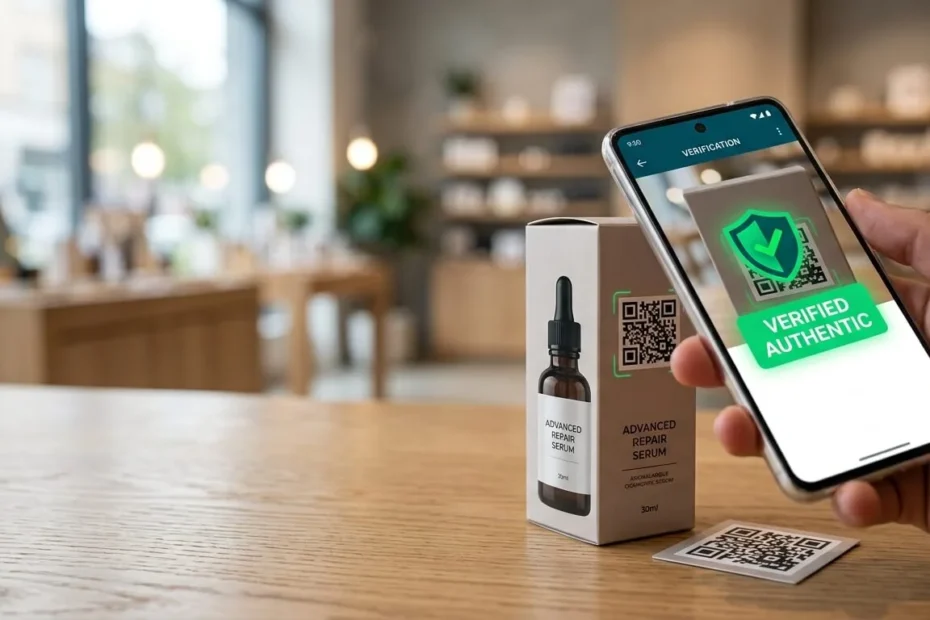
Counterfeit products are becoming a major concern for manufacturers, retailers, and consumers alike. A fake product not only causes financial losses but also damages customer trust and brand reputation. That’s why understanding How QR Codes Work for Verification has become essential for businesses that want to protect their products and customers.
From working with clients across different industries, I’ve seen that many businesses invest in attractive packaging but overlook product authentication. A secure QR code verification system solves this challenge by allowing customers to instantly confirm whether a product is genuine. In this guide, you’ll learn how the process works, why it matters, and how businesses can use it effectively. Solutions from AuthX and Eyecon Consultant also make implementing digital product authentication simple and reliable.
What Is QR Code Verification?
QR code verification is a digital authentication process that allows users to confirm a product’s authenticity by scanning a unique QR code with a mobile QR scanner. Instead of relying on traditional labels or holograms, each product receives a unique identity that connects to a secure verification database. As a result, customers can instantly perform a product authenticity check before making a purchase, while businesses gain better control over their products.
How QR Codes Work for Verification
Understanding How QR Codes Work for Verification is easier than many people think. The process begins when a unique QR code system generates a secure code for every product during manufacturing. Each code is linked to encrypted product information stored on a secure server. When customers scan the code, the system instantly checks the stored data and confirms whether the product is authentic. If the code has been copied, altered, or scanned suspiciously, the system can immediately flag it, making secure QR code verification an effective brand protection solution.
Here’s how the process works:
- A unique QR code is generated for every product.
- Product details are securely stored in the authentication database.
- Customers scan the QR code using their smartphone.
- The system verifies the product information in real time.
- The customer receives an instant verification result.
Why Businesses Are Switching to QR Code Authentication
In my experience, businesses usually adopt QR code authentication after facing issues with counterfeit products or customer complaints. However, companies that implement it early gain a competitive advantage because they protect their reputation before problems arise. Moreover, the system builds transparency throughout the supply chain while giving customers confidence in every purchase.
Some key benefits include:
- Prevents counterfeit products
- Improves customer trust and loyalty
- Supports product traceability
- Reduces warranty fraud
- Provides real-time verification data
- Strengthens brand reputation
- Enhances supply chain visibility
Common Mistakes Businesses Make
One lesson I’ve learned from real implementation projects is that technology alone doesn’t guarantee success. Many organizations deploy QR codes but fail to educate customers on how to use them. Others make the mistake of using static QR codes that can be easily copied. Instead, businesses should use anti-counterfeit QR codes, connect them to a secure authentication platform, and regularly monitor scan activity to identify suspicious patterns before they become larger security issues.
How QR Codes Help Prevent Counterfeit Products
Counterfeit products often enter the market because they are difficult to distinguish from genuine items. Product verification using QR codes gives every product a unique digital identity that counterfeiters cannot easily replicate. Consequently, customers can verify products with QR codes before purchasing, reducing the risk of buying fake items. Businesses also receive valuable scan data that helps identify suspicious activity and unauthorized distribution channels.
Industries That Benefit from QR Code Verification
Almost every industry can benefit from digital product authentication, especially those affected by counterfeit goods. Based on real implementation experience, sectors with high-value or regulated products see the greatest return on investment. Moreover, QR code verification improves customer confidence while supporting compliance and product traceability.
Industries using QR code verification include:
- Pharmaceuticals
- Cosmetics and Personal Care
- Food and Beverage
- Electronics
- Automotive Parts
- Agriculture Products
- Fashion and Apparel
- Consumer Goods
Why Choose AuthX for QR Code Verification?
From working with manufacturers and distributors, we’ve seen that businesses need more than just QR codes—they need a complete authentication ecosystem. AuthX, developed by Eyecon Consultant, provides businesses with a secure platform for QR code authentication, product traceability, and counterfeit prevention. Instead of relying on traditional security labels, companies can implement a scalable verification system that protects both their products and their reputation.
FAQs
Each product receives a unique QR code linked to a secure database. When scanned, the system instantly verifies whether the product is genuine.
Yes. Modern QR code authentication systems use encrypted databases, unique identifiers, and real-time validation to prevent duplication and fraud.
Yes. Customers simply use a mobile QR scanner or camera app to scan the QR code and receive instant authentication results.
Industries such as pharmaceuticals, cosmetics, electronics, food and beverage, automotive, agriculture, and fashion commonly use QR code verification.
It helps prevent counterfeiting, protects brand reputation, increases customer trust, improves product traceability, and provides valuable verification data.
Conclusion
Understanding How QR Codes Work for Verification is essential for businesses that want to protect their products and build customer trust. A secure QR code verification system helps prevent counterfeiting, improves product authenticity, and enhances brand credibility. If you’re looking for a reliable brand protection solution, AuthX by Eyecon Consultant offers secure digital authentication to help safeguard your products and strengthen consumer confidence.