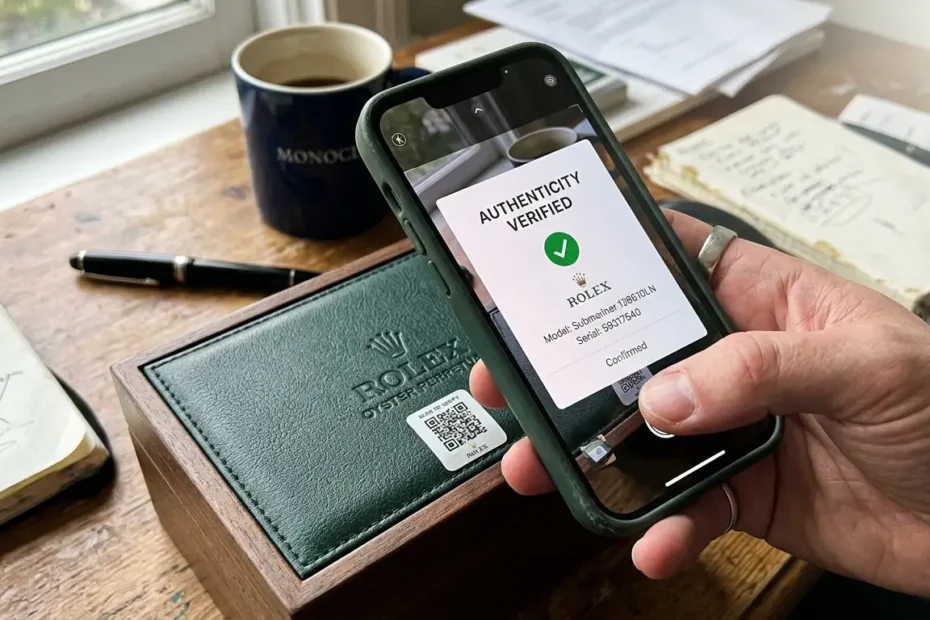
Counterfeit products, fake warranty claims, and poor after-sales service can damage a brand’s reputation and customer trust. As businesses move toward digital transformation, implementing a secure Product Verification and Digital Warranty System has become essential rather than optional.
A well-designed system allows customers to verify product authenticity, perform a warranty check instantly, and access warranty information online without paperwork. At the same time, businesses gain better control over product tracking, customer engagement, and warranty management.
In this guide, you’ll learn how a product verification and warranty solution works, its key features, implementation steps, benefits, and common mistakes to avoid.
What is a Product Verification and Digital Warranty System?
A Product Verification and Digital Warranty System is a digital platform that helps businesses authenticate products and manage warranties electronically.
Instead of relying on paper warranty cards, each product receives a unique digital identity through technologies such as:
- QR codes
- Serial numbers
- Barcodes
- NFC tags
- Unique product IDs
Customers can scan or enter the code to verify authenticity and perform an online warranty check within seconds.
The system stores warranty information securely, enabling businesses to provide faster support while reducing fraudulent claims.
Why Product Verification and Digital Warranty Systems Are Important?
Modern consumers expect convenience, transparency, and security. Therefore, businesses must provide easy ways to verify products and manage warranties.
Protects Against Counterfeit Products
Fake products can significantly impact customer confidence and brand reputation. Product verification helps customers confirm authenticity before use.
Improves Customer Experience
Customers can access warranty information online without keeping physical documents.
Reduces Warranty Fraud
A digital system validates purchase records and warranty status automatically, preventing unauthorized claims.
Supports Business Growth
Companies gain valuable insights into product performance, customer behavior, and service trends.
Enhances Brand Trust
When customers can perform an online warranty check Pakistan or globally through a secure platform, confidence in the brand increases substantially.
Key Features of a Product Verification and Digital Warranty System
A secure system should include the following features:
-
Unique Product Identification
-
Instant Product Verification
-
Digital Warranty Registration
-
Online Warranty Check
-
Customer Database Management
-
Fraud Detection Mechanisms
-
Warranty Claim Management
-
Analytics Dashboard
-
Role-Based Security Controls
How a Product Verification and Digital Warranty System Works
The process is straightforward yet highly effective.
Step 1: Product Creation
A unique QR code or serial number is assigned to each product during manufacturing.
Step 2: Product Distribution
The unique identifier travels with the product throughout the supply chain.
Step 3: Customer Purchase
After purchasing, the customer scans the QR code or enters the product code online.
Step 4: Verification Process
The system checks the database and confirms whether the product is genuine.
Step 5: Warranty Registration
The warranty activates automatically or after customer registration.
Step 6: Warranty Management
Customers can perform a warranty check online whenever needed and submit warranty claims digitally.
Step 7: Data Analysis
Businesses analyze customer interactions, product performance, and warranty trends to improve operations.
Step-by-Step Guide to Building a Secure Product Verification and Digital Warranty System
Step 1: Define Business Requirements
Identify:
- Product categories
- Warranty policies
- Verification methods
- Customer journey requirements
Clear planning reduces implementation issues later.
Step 2: Create Unique Product Identifiers
Generate secure QR codes, barcodes, or serial numbers for every product.
Each code should be:
- Unique
- Non-replicable
- Securely stored
Step 3: Build a Centralized Database
Develop a secure database containing:
- Product information
- Customer records
- Purchase details
- Warranty data
Use encryption and secure authentication protocols.
Step 4: Develop Verification Mechanisms
Create web or mobile interfaces that allow customers to:
- Scan QR codes
- Verify authenticity
- Register warranties
- Check warranty status
Step 5: Implement Security Controls
Protect sensitive information using:
- SSL encryption
- Multi-factor authentication
- Role-based access
- Secure APIs
- Regular security audits
Step 6: Enable Automated Warranty Registration
Integrate sales systems to automatically activate warranties after purchase.
This reduces manual errors and improves customer convenience.
Step 7: Add Analytics and Reporting
Track important metrics such as:
- Product verification rate
- Warranty registrations
- Warranty claims
- Counterfeit detection incidents
Step 8: Test and Launch
Before deployment:
- Perform security testing
- Conduct user acceptance testing
- Verify system performance
- Test claim workflows
Launch only after thorough validation.
Benefits of a Product Verification and Digital Warranty System
Businesses implementing a digital solution can achieve significant advantages.
- Improved customer trust and satisfaction
- Faster warranty processing
- Reduced counterfeit product circulation
- Enhanced brand protection
- Better customer engagement
- Simplified warranty management
- Accurate warranty tracking
- Lower administrative costs
- Increased operational efficiency
- Valuable business intelligence
For customers, the biggest benefit is the ability to perform an online warranty check quickly without paperwork or lengthy support interactions.
Common Mistakes to Avoid
Using Predictable Product Codes
Weak or sequential codes are easier to duplicate and exploit.
Ignoring Data Security
Failing to encrypt customer and product data can expose businesses to security risks.
Complex Registration Processes
Long registration forms often reduce customer participation.
Lack of Mobile Optimization
Most users perform verification and warranty checks on mobile devices.
Poor Integration with Existing Systems
Disconnected systems create data inconsistencies and operational inefficiencies.
Not Monitoring Verification Data
Verification analytics can reveal counterfeit activity and customer behavior patterns.
FAQs
A digital warranty system stores warranty information electronically instead of using paper warranty cards. Customers can register products and check warranty status online.
Product verification uses unique identifiers such as QR codes or serial numbers. The system checks these identifiers against a secure database to confirm authenticity.
An online warranty check allows customers to verify warranty status instantly without contacting support or maintaining physical documents.
Yes. Small and medium-sized businesses can implement scalable warranty management systems to improve customer service and reduce administrative workload.
Every product receives a unique code that cannot be duplicated easily. Customers can verify authenticity before using the product.
Typically, the system stores product details, purchase information, customer records, warranty periods, and claim history.
Yes. Many businesses in Pakistan are adopting digital warranty platforms to simplify warranty verification and enhance customer trust.
QR codes, barcodes, NFC tags, secure serial numbers, cloud databases, and mobile applications are commonly used technologies.
Conclusion
A secure Product Verification and Digital Warranty System helps businesses protect their brands, eliminate counterfeit risks, improve customer satisfaction, and streamline warranty management. By combining product authentication, digital registration, and online warranty verification, companies can create a more secure and efficient customer experience.
If you’re looking to implement a reliable product verification and digital warranty solution, explore how Eyecon Consultant can help businesses build smarter digital ecosystems with AuthX. From product authentication and warranty registration to secure customer engagement, AuthX provides the tools needed to modernize after-sales service and strengthen brand trust.