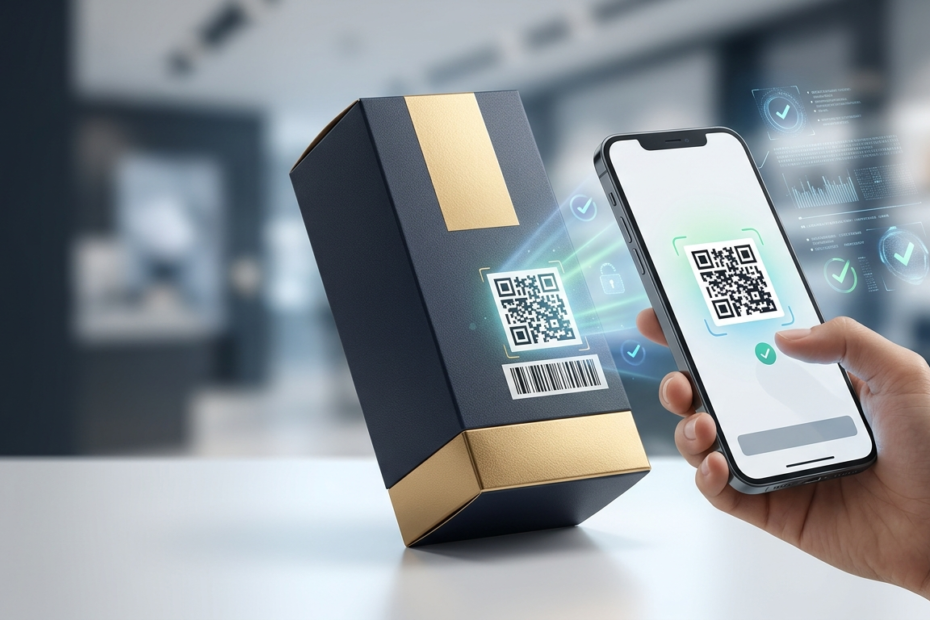
In today’s digital and global marketplace, counterfeit products are growing faster than ever, damaging both revenue and brand trust. This is where how product verification protects your brand from counterfeiting becomes extremely important for businesses of all sizes.
From fake luxury goods to duplicated electronics, counterfeiters are using advanced methods to replicate products. However, modern verification systems—such as QR codes, barcode scanning, and digital authentication—are helping brands fight back effectively.
In this guide, you’ll learn what product verification is, how it works, why it matters, and how you can implement it to protect your brand reputation and customers.
What is Product Verification?
Product verification is a security process that confirms whether a product is genuine or fake using digital or physical authentication methods.
It uses technologies like:
- QR code scanner online systems
- Barcode scanner integration
- Product authentication platforms
- Unique serial numbers
- Blockchain-based tracking systems
In simple terms, product verification ensures that every item reaching the customer is authentic and traceable.
This process is a core part of product verification technology and modern anti-counterfeiting solutions used by global brands.
Why Product Verification is Important?
Counterfeit products don’t just harm revenue—they damage brand reputation, customer trust, and long-term business growth.
Here’s why it matters:
- Protects brand identity from fake duplication
- Ensures customer trust and satisfaction
- Reduces financial losses caused by counterfeit goods
- Improves supply chain transparency
- Strengthens compliance and legal protection
- Enhances global market credibility
Moreover, industries like pharmaceuticals, fashion, electronics, and FMCG rely heavily on brand protection from counterfeiting to maintain safety and quality standards.
Key Features of Product Verification Systems
Modern verification systems come with powerful features designed for security and scalability:
Unique Product Identification
Each product gets a unique code or digital ID to ensure traceability.
QR Code & Barcode Integration
Customers or retailers can scan using a barcode scanner or mobile app to verify authenticity instantly.
Real-Time Authentication
Systems verify products in real-time through cloud databases.
Supply Chain Tracking
Every stage—from manufacturing to delivery—is recorded.
Counterfeit Detection Alerts
The system flags duplicate or suspicious product entries.
Mobile Accessibility
Users can verify products using smartphones via a QR code scanner online tool.
These features collectively enhance product verification systems and reduce counterfeit risks significantly.
How Product Verification Works
The process is simple but highly effective:
- A unique code is generated for each product during manufacturing
- The code is printed as a QR code or barcode on packaging
- The product enters the supply chain with tracking enabled
- Retailers and distributors scan the product for validation
- Customers verify authenticity using mobile apps or scanners
- The system confirms whether the product is genuine or fake
This entire workflow ensures strong product authentication and eliminates duplicate entries in the system.
Step-by-Step Guide to Implement Product Verification
If you want to protect your brand, here’s how to implement it:
Step 1: Choose a Verification System
Select a reliable product verification technology provider or SaaS platform.
Step 2: Generate Unique Codes
Assign serial numbers or QR codes to each product.
Step 3: Integrate with Packaging
Print codes on labels, packaging, or holograms.
Step 4: Connect Database
Store product data in a secure cloud system.
Step 5: Enable Scanner Access
Allow retailers and users to verify using mobile apps or barcode scanner tools.
Step 6: Monitor and Analyze
Track scan data and detect suspicious activity.
This step-by-step approach helps build strong anti-counterfeiting solutions for your business.
Benefits of Product Verification
Implementing a verification system provides long-term advantages:
- Strong counterfeit product detection
- Improved customer trust and loyalty
- Reduced brand damage and fraud cases
- Better supply chain visibility
- Increased product authenticity assurance
- Enhanced legal protection against counterfeiters
- Higher market competitiveness
Additionally, businesses using product verification systems often experience better customer engagement and fewer returns.
Common Mistakes to Avoid
Even though product verification is powerful, mistakes can reduce its effectiveness:
Using Weak or Predictable Codes
Simple codes are easy to duplicate.
Not Updating the Database
Outdated records reduce system reliability.
Ignoring Supply Chain Integration
Verification must cover the full supply chain.
No Customer Awareness
If customers don’t know how to verify products, the system loses impact.
Poor QR Code Placement
Bad placement makes scanning difficult.
Avoiding these mistakes ensures stronger product authentication systems and better security outcomes.
FAQs
1. What is product verification in simple words?
It is a system that confirms whether a product is real or fake using digital codes like QR or barcodes. It helps ensure authenticity and brand protection.
2. How does product verification protect against counterfeiting?
It assigns unique IDs to each product, making duplication nearly impossible and allowing instant authenticity checks.
3. What is the role of QR codes in product verification?
QR codes store product data that can be scanned using a mobile device or QR code scanner online to verify authenticity instantly.
4. Can small businesses use product verification systems?
Yes, many affordable product verification systems are available for SMEs to protect their brands from fake products.
5. What industries need anti-counterfeiting solutions most?
Pharmaceuticals, fashion, electronics, cosmetics, and FMCG industries heavily rely on anti-counterfeiting solutions.
6. Is barcode scanning enough for product authentication?
Barcode scanning helps, but combining it with cloud databases and unique serial numbers improves security.
7. What is the difference between product authentication and verification?
Verification checks if a product is genuine, while authentication confirms its origin and manufacturing details.
8. How does product verification improve customer trust?
When customers can verify a product themselves, they feel more confident about its authenticity and quality.
Conclusion
In a world where counterfeit products are becoming more advanced, businesses must adopt smart security solutions. How product verification protects your brand from counterfeiting is not just a technical process—it’s a long-term strategy for trust, safety, and growth.
By using modern tools like QR codes, barcode scanners, and digital authentication platforms, brands can effectively stop fake products before they reach customers.
If implemented correctly, a strong product verification system not only protects your revenue but also strengthens your brand reputation in the market.
If you want to protect your business from fake products and build long-term customer trust, Authx provides a powerful product verification system designed for modern brands. From QR code authentication to real-time tracking, it helps you secure every product and stop counterfeits before they reach your customers.