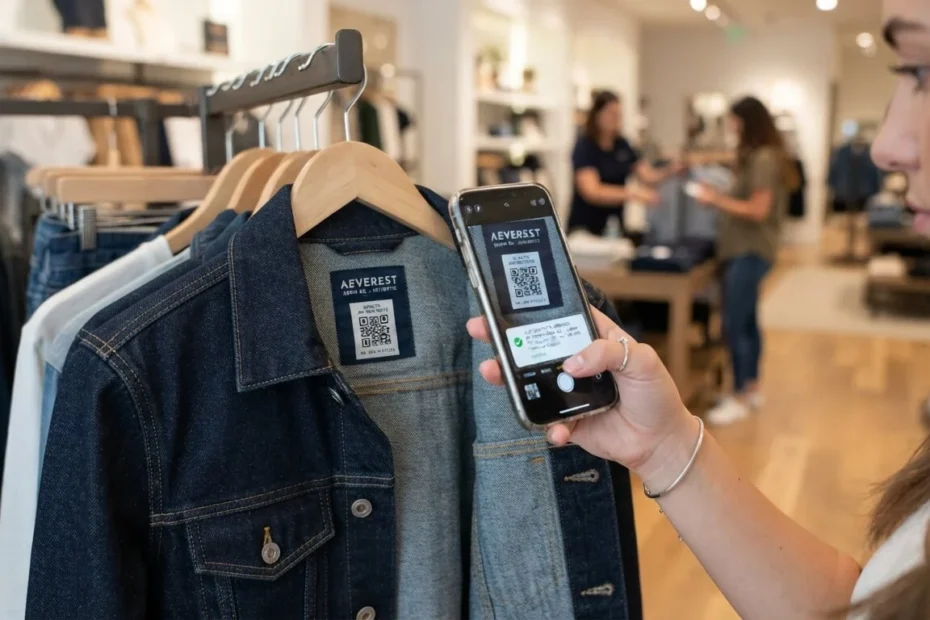
The global fashion industry has never been more competitive—or more vulnerable to counterfeit products. From luxury labels to emerging clothing brands, fake apparel is becoming harder to identify and easier to distribute through online marketplaces and unauthorized retailers.
For clothing brands, counterfeiting doesn’t just reduce revenue. It damages customer trust, weakens brand reputation, and creates long-term business risks.
This is where QR Authentication for Clothing Brands has become a game-changing solution.
Why Counterfeit Clothing Is a Growing Problem
The apparel industry loses billions every year because of counterfeit products entering the market. Fake clothing affects every type of fashion business—from premium brands to local manufacturers.
Counterfeit products create several serious challenges:
- Lost sales and revenue
- Damaged brand reputation
- Increased customer complaints
- Poor online reviews
- Reduced customer loyalty
- Unauthorized resale
Even worse, many customers cannot distinguish fake products from genuine ones until they experience poor quality.
What Is QR Authentication for Clothing Brands?
QR Authentication for Clothing Brands is a digital product verification system that allows every clothing item to carry a unique QR code linked to a secure cloud database.
When a customer scans the QR code using a smartphone, the system instantly verifies whether the product is authentic.
Unlike ordinary QR codes used only for websites, authentication QR codes are protected using advanced technologies such as:
- Unique encrypted IDs
- Product serialization
- Secure cloud verification
- Tamper-evident security labels
- Real-time scan tracking
Each garment receives its own identity, making duplication significantly more difficult.
How QR Authentication Works
The process is simple for customers but highly secure for brands.
Step 1: Generate a Unique QR Code
Every clothing item receives a serialized QR code connected to the authentication platform.
No two products share the same identity.
Step 2: Apply the Secure Label
The QR code is printed on:
- Clothing tags
- Packaging
- Hang tags
- Care labels
- Security stickers
Many brands combine QR codes with holograms or tamper-proof labels for additional protection.
Step 3: Customer Scans the Product
Customers scan the QR code using any smartphone camera.
Within seconds, they receive authentication results confirming whether the item is genuine.
Step 4: Cloud Verification
The authentication platform checks:
- Product ID
- Manufacturing record
- Distribution history
- Scan history
- Product status
If everything matches, the product is verified instantly.
QR Authentication vs Traditional Barcode
| Feature | Traditional Barcode | QR Authentication |
|---|---|---|
| Product Verification | ❌ No | ✅ Yes |
| Unique Product Identity | ❌ No | ✅ Yes |
| Anti-Counterfeit Protection | ❌ Limited | ✅ Advanced |
| Customer Authentication | ❌ Not Possible | ✅ Instant |
| Scan Analytics | ❌ No | ✅ Yes |
| Supply Chain Tracking | Limited | Advanced |
| Customer Engagement | ❌ No | ✅ Yes |
For modern clothing brands, QR authentication delivers far more value than a standard barcode by combining security, transparency, and customer interaction in one solution.
Future of QR Authentication in the Fashion Industry
The future of fashion is becoming more digital, transparent, and connected.
QR authentication is expected to work alongside emerging technologies such as:
- Artificial Intelligence (AI)
- Blockchain authentication
- Digital Product Passports (DPP)
- Smart packaging
- NFC-enabled clothing tags
- Digital warranties
- Circular fashion tracking
Together, these innovations will help brands improve sustainability, strengthen consumer trust, and gain greater control over their supply chains.
FAQs
Yes. Most QR authentication systems allow customers to verify products by scanning the QR code with any smartphone camera. The authentication result appears within seconds.
They may copy the visible code, but secure authentication systems detect duplicate scans, unusual scan locations, and suspicious verification patterns. This helps brands identify counterfeit activity quickly.
Absolutely. QR authentication is no longer limited to luxury fashion brands. Small and growing apparel businesses can also use it to protect products, build trust, and create a stronger customer experience.
Yes. When customers know they can easily verify product authenticity, they are more likely to trust the brand and make repeat purchases.
Conclusion
Counterfeit clothing is becoming more sophisticated every year, making traditional security methods less effective. Fashion brands now need smarter solutions that protect both their products and their reputation.
QR Authentication for Garments offers a reliable way to verify genuine products, reduce counterfeit risks, improve supply chain visibility, and strengthen customer trust. It also creates new opportunities for customer engagement through digital experiences that go beyond simple product verification.
Call to Action
Looking for a secure QR authentication solution for your clothing brand? AuthX helps fashion businesses protect products with unique QR codes, real-time verification, anti-counterfeit technology, and advanced product authentication solutions. Contact our team today to see how QR authentication can safeguard your brand and build lasting customer trust.